by Mónica Medina | Feb 19, 2026
Capítulo Guadalajara
Sesión | 8:30 a.m. – 10:30 a.m.
¡Acompáñanos en la próxima sesión del Comité de Comercio Exterior!
Te invitamos a una sesión para conocer los retos más relevantes en materia de fiscalización aduanera, donde analizaremos cómo acreditar la materialidad de las operaciones conforme a los criterios de defensa de PRODECON y revisaremos las nuevas directrices para el adecuado cumplimiento de la Manifestación de Valor Electrónica, con el objetivo de brindar mayor certeza jurídica y operativa a tu empresa.
Costo: 700 I.V.A. aplicado
Exclusivo para socios AmCham
Informes: mmedina@amcham.org.mx
Recuerda siempre completar tu registro con el correo institucional dado de alta en AmCham
Importante. Da click en el botón de registro para capturar tus datos. Agregar el evento a tu calendario no concluye el proceso de registro al evento.

by Jaciel Cavazos | Feb 13, 2026
Capítulo Noreste
Sesión | 9:00 a.m. – 10:30 a.m.
La siguiente sesión abrirá un espacio de diálogo para analizar cómo los cambios en la arquitectura internacional están influyendo en las dinámicas regionales de Norteamérica. A partir de referencias a instrumentos como la National Security Strategy of the United States of America, se revisarán sus implicaciones para el comercio, la logística, las cadenas de suministro y la coordinación regulatoria. El encuentro reunirá a especialistas, liderazgos empresariales y personas tomadoras de decisión interesadas en reflexionar sobre el reposicionamiento de la región dentro de un escenario global en evolución. Desde una perspectiva práctica, se abordarán los desafíos operativos del T-MEC y las oportunidades que surgen para quienes participan en la integración regional. El espacio estará orientado al análisis y la reflexión conjunta, promoviendo un intercambio de ideas informado sobre las transformaciones actuales y su impacto en Norteamérica.
Modalidad Virtual / Sesión gratuita para socios AmCham
Recuerda siempre completar tu registro con el correo institucional dado de alta en AmCham
Importante. Da click en el botón de registro para capturar tus datos. Agregar el evento a tu calendario no concluye el proceso de registro al evento.
by Gerardo Arana | Ene 21, 2026 | Ciudad de México, Comercio Exterior y Logística
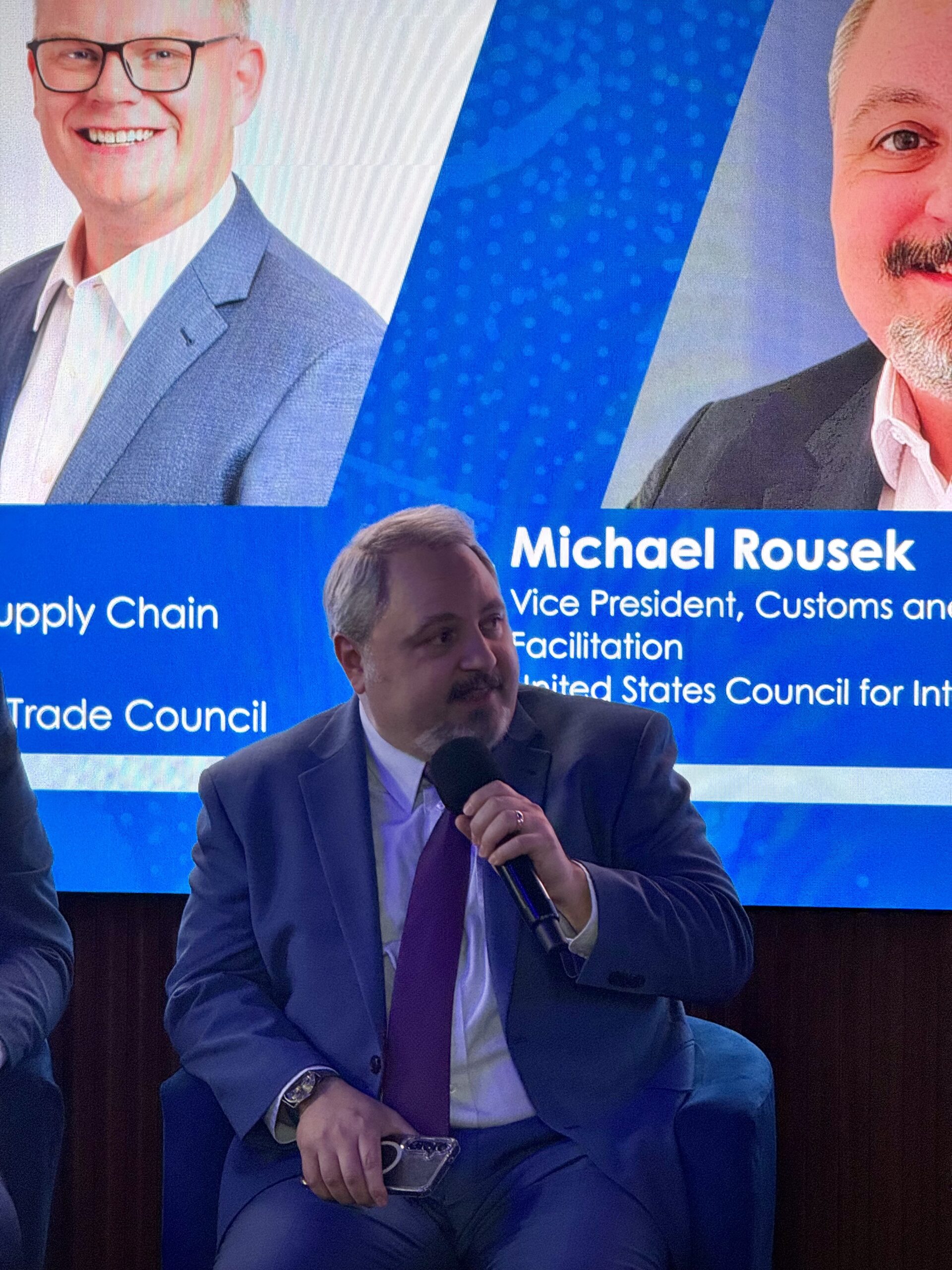
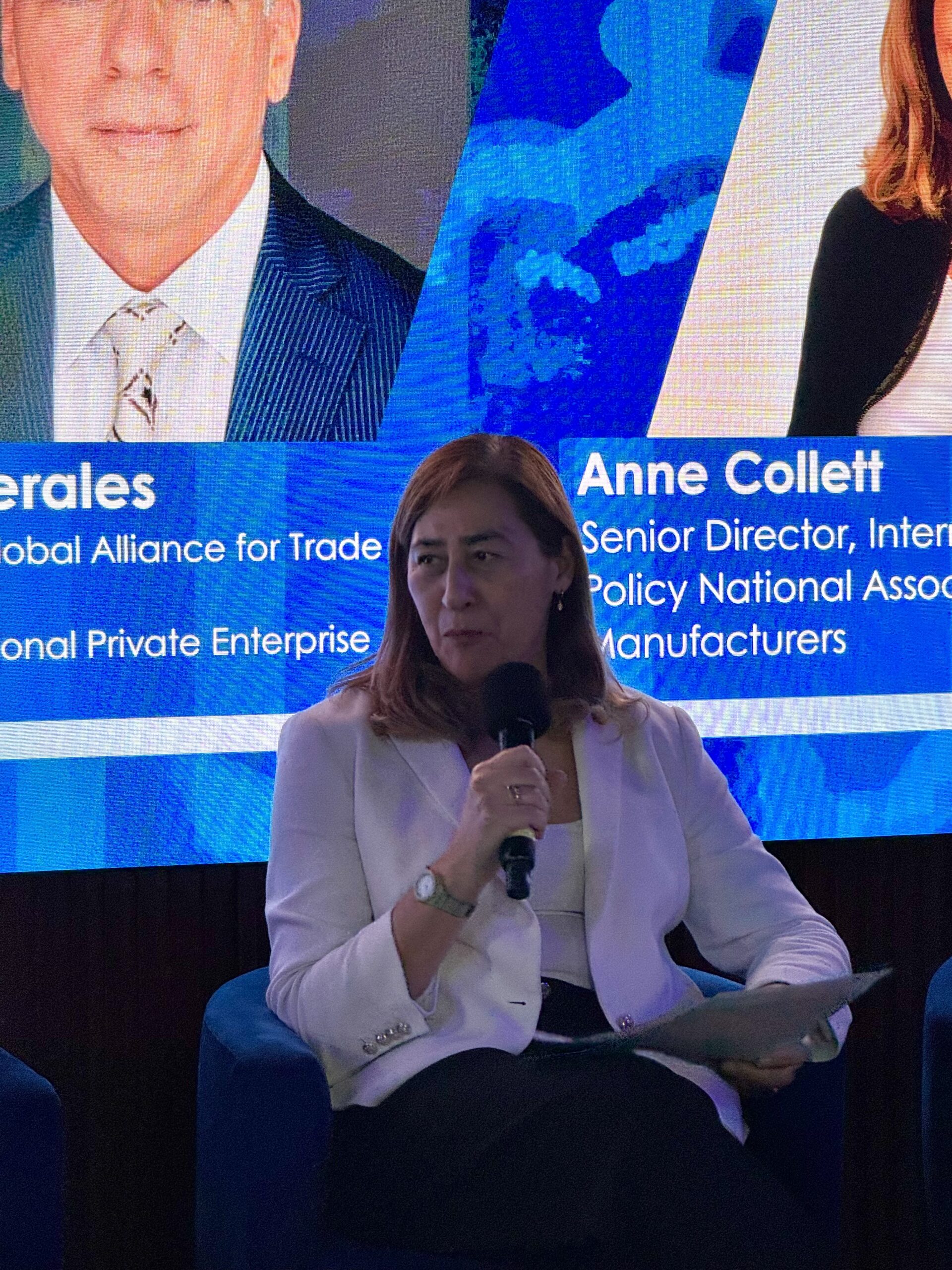
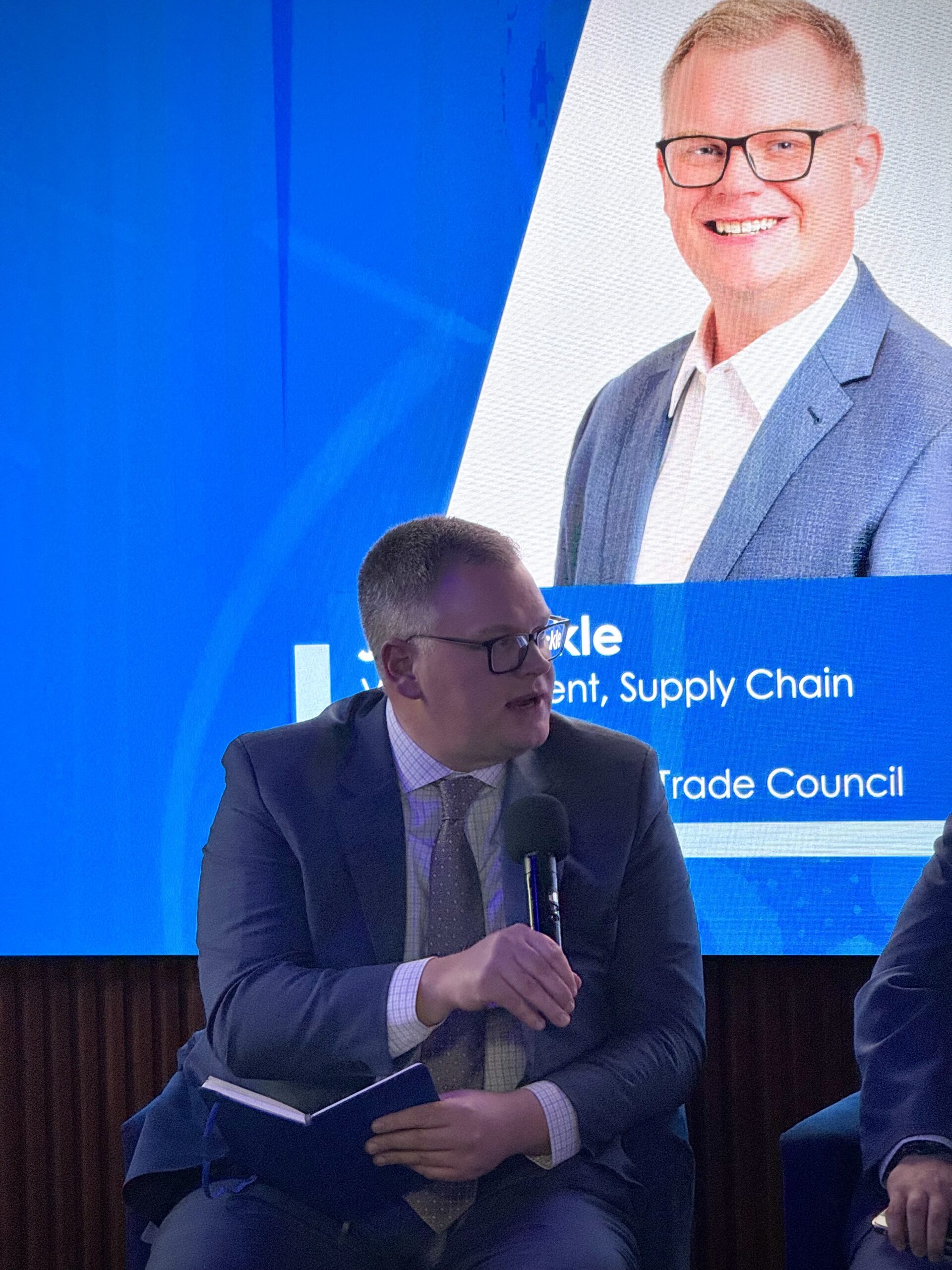
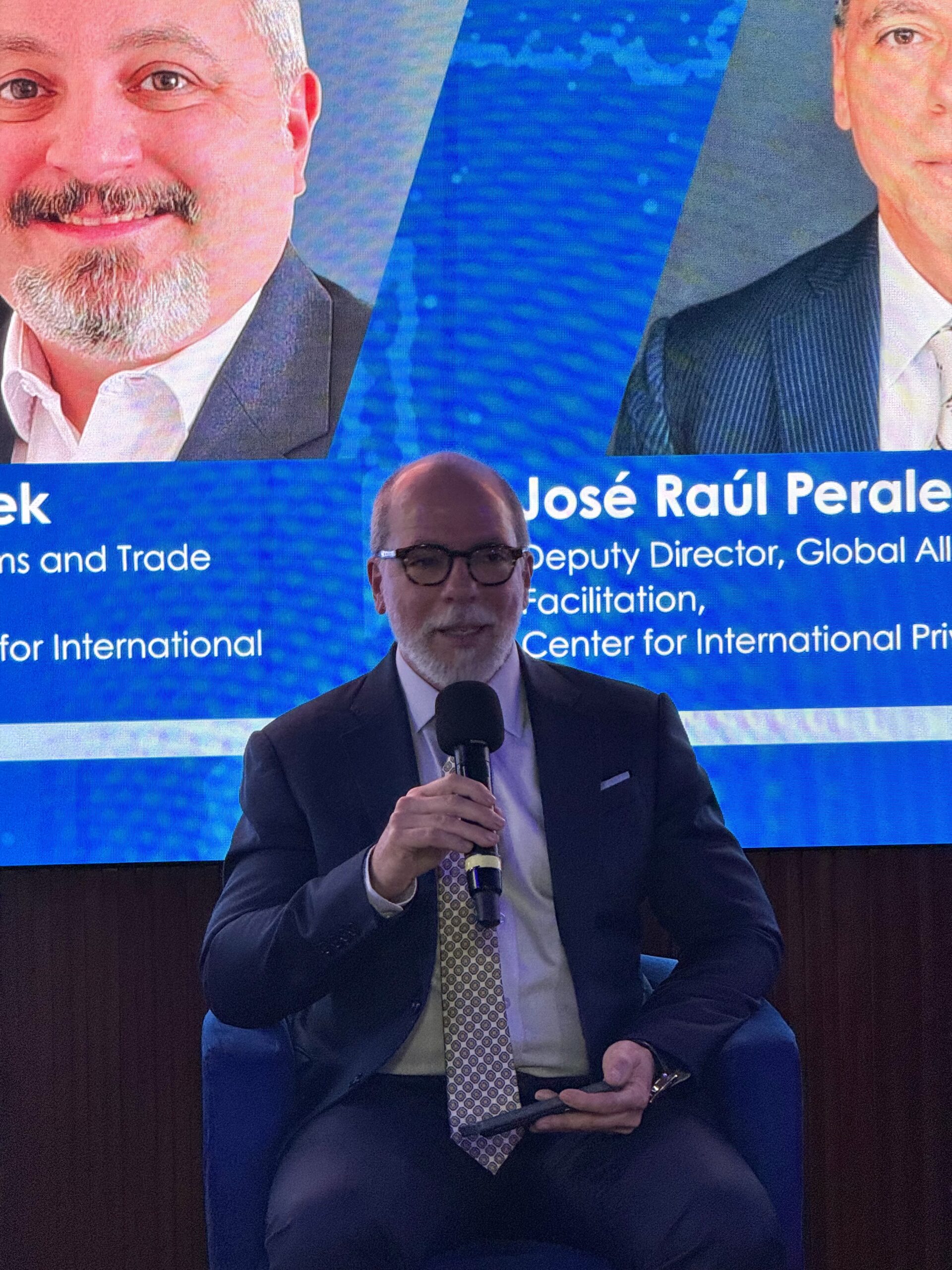
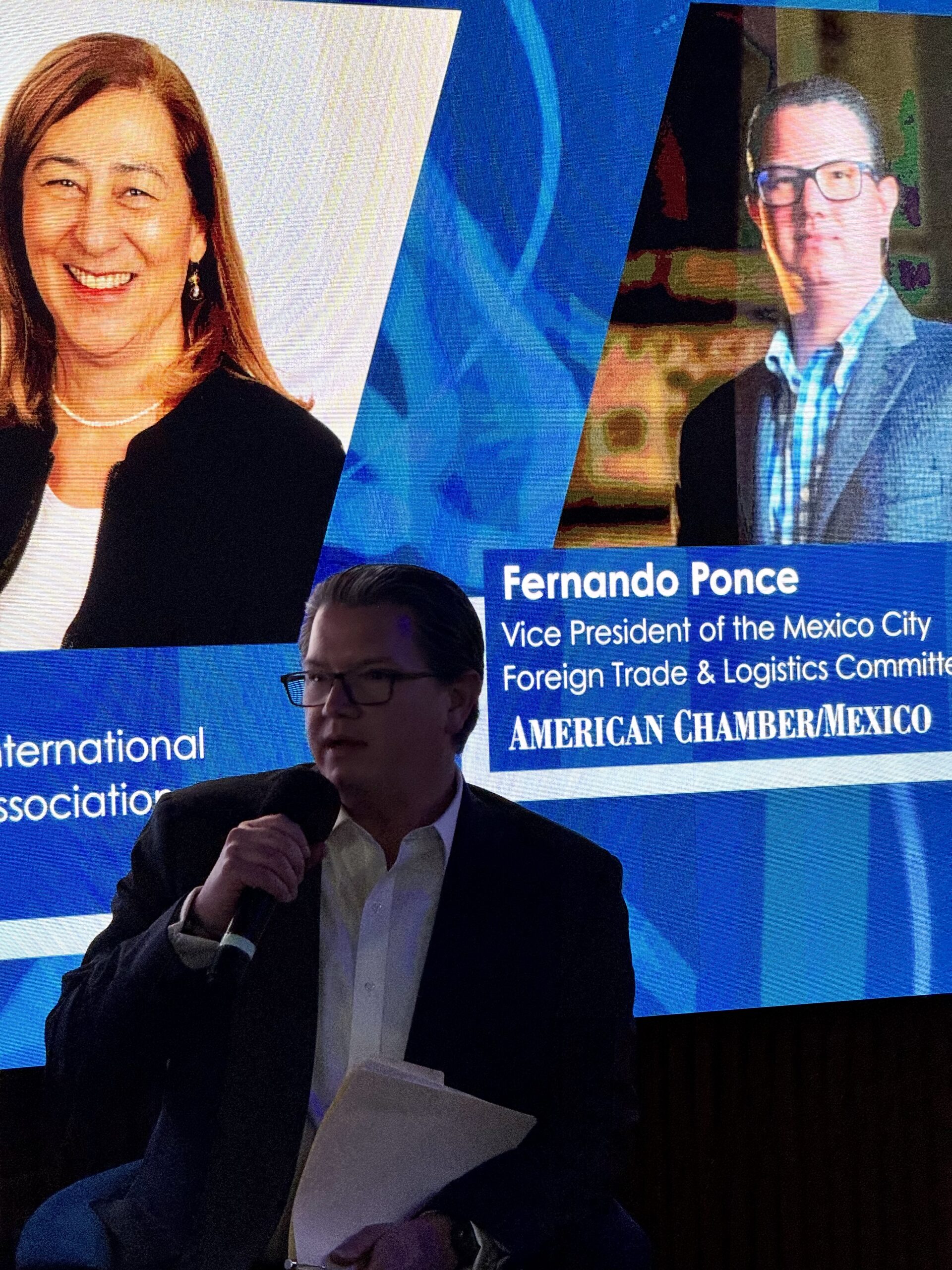
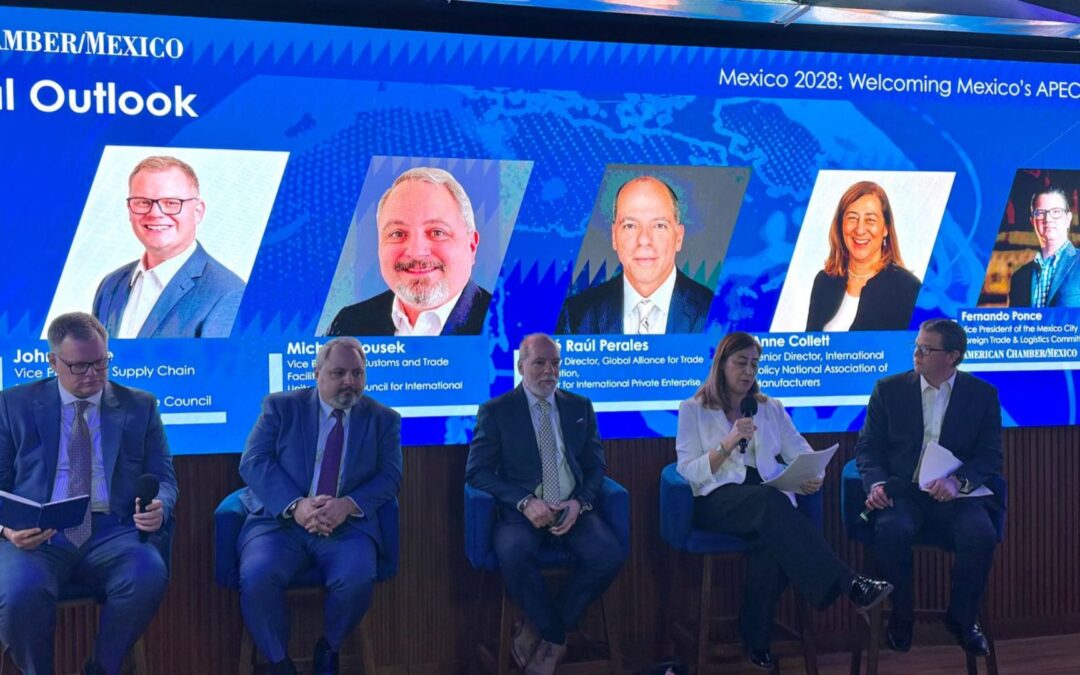
En el marco del evento “México 2028: Welcoming Mexico’s APEC Host Year”, el Comité de Comercio Exterior y Logística llevó a cabo el Panel 3, enfocado en analizar el entorno geopolítico, los cambios regulatorios y la reconfiguración de las cadenas globales de valor sobre la competitividad, la inversión y el posicionamiento estratégico de Norteamérica.
El panel fue moderado por Fernando Ponce, Vicepresidente del Comité de Comercio Exterior y Logística de AMCHAM, y contó con la participación de Anne Collett, Directora Senior de Políticas Internacionales, National Association of Manufacturers; John Pickle, Vicepresidente de Políticas de la Cadena de Suministro National Foreign Trade Council; José Raúl Perales, Director Adjunto de la Alianza Global para la Facilitación del Comercio, Center for International Private Enterprise; y Michael Rousek, Vicepresidente de Facilitación Comercial y Aduanas – United States Council for International Business.
Panel 3 | Global Outlook: Una mirada global al comercio y las cadenas de valor
Durante la conversación, los panelistas coincidieron en que la incertidumbre se ha convertido en un elemento estructural del entorno empresarial global. Se señaló que este contexto ha requerido a las empresas a redirigir recursos que anteriormente se destinaban a innovación, expansión y desarrollo tecnológico hacia reservas de liquidez, con el objetivo de enfrentar riesgos arancelarios, regulatorios y comerciales.
Se destacó que, si bien la manufactura en Estados Unidos continúa siendo un pilar económico global, con un alto valor agregado y un papel central en la inversión en investigación y desarrollo, es fundamental que la empresas presten atención minuciosa al entorno de aranceles e investigaciones comerciales.
Cumplimiento, trazabilidad y transformación de las cadenas globales
Desde una perspectiva de facilitación comercial, se subrayó que el énfasis creciente en cumplimiento y trazabilidad está transformando la forma en que se estructuran las cadenas de suministro a nivel global. Los panelistas señalaron que esta tendencia no solo influye en Norteamérica, sino que también está reconfigurando los procesos de integración regional en Asia y América Latina.
En este contexto, se destacó el aumento de discusiones en torno a estándares comunes, reconocimiento mutuo de certificaciones, programas de operadores confiables e intercambio de datos, son elementos clave para mantener la eficiencia operativa y la competitividad en el comercio internacional.
El papel de los organismos multilaterales
Asimismo, se coincidió en que organismos internacionales como la Organización Mundial del Comercio (OMC), la Organización Mundial de Aduanas (OMA), la Organización para la Cooperación y el Desarrollo Económicos (OCDE) y la Comisión de las Naciones Unidas para el Derecho Mercantil Internacional continúan siendo foros relevantes para la definición de reglas globales. En particular, se destacó su papel en temas como comercio digital, documentos electrónicos y pagos sin papel, siempre que evolucionen hacia enfoques más pragmáticos y orientados a la operación.
Norteamérica y la oportunidad de marcar estándares globales
El panel concluyó con una reflexión sobre el papel estratégico de Norteamérica como una región con la capacidad de marcar estándares globales. Si bien se reconoció el creciente interés de Estados Unidos en esquemas bilaterales y en el Asia-Pacífico como parte de su estrategia de diversificación frente a China, los participantes coincidieron en que la fortaleza de la región radica en su escala económica, su nivel de integración y su potencial para ofrecer certidumbre.
De cara a la revisión del T-MEC y México como anfitrión de APEC en 2028, el mensaje central fue la necesidad de construir una visión renovada que traduzca la integración comercial en continuidad operativa, competitividad y liderazgo global.
“América del Norte tiene todos los elementos para ser una región que marque estándares globales, pero hoy enfrenta un déficit de visión compartida; si no la construimos desde el sector privado y las asociaciones, nadie lo hará por nosotros.”
AMERICAN CHAMBER/MEXICO
Ciudad de México | 14 | enero | 2026
by Gerardo Arana | Ene 21, 2026 | Ciudad de México, Comercio Exterior y Logística
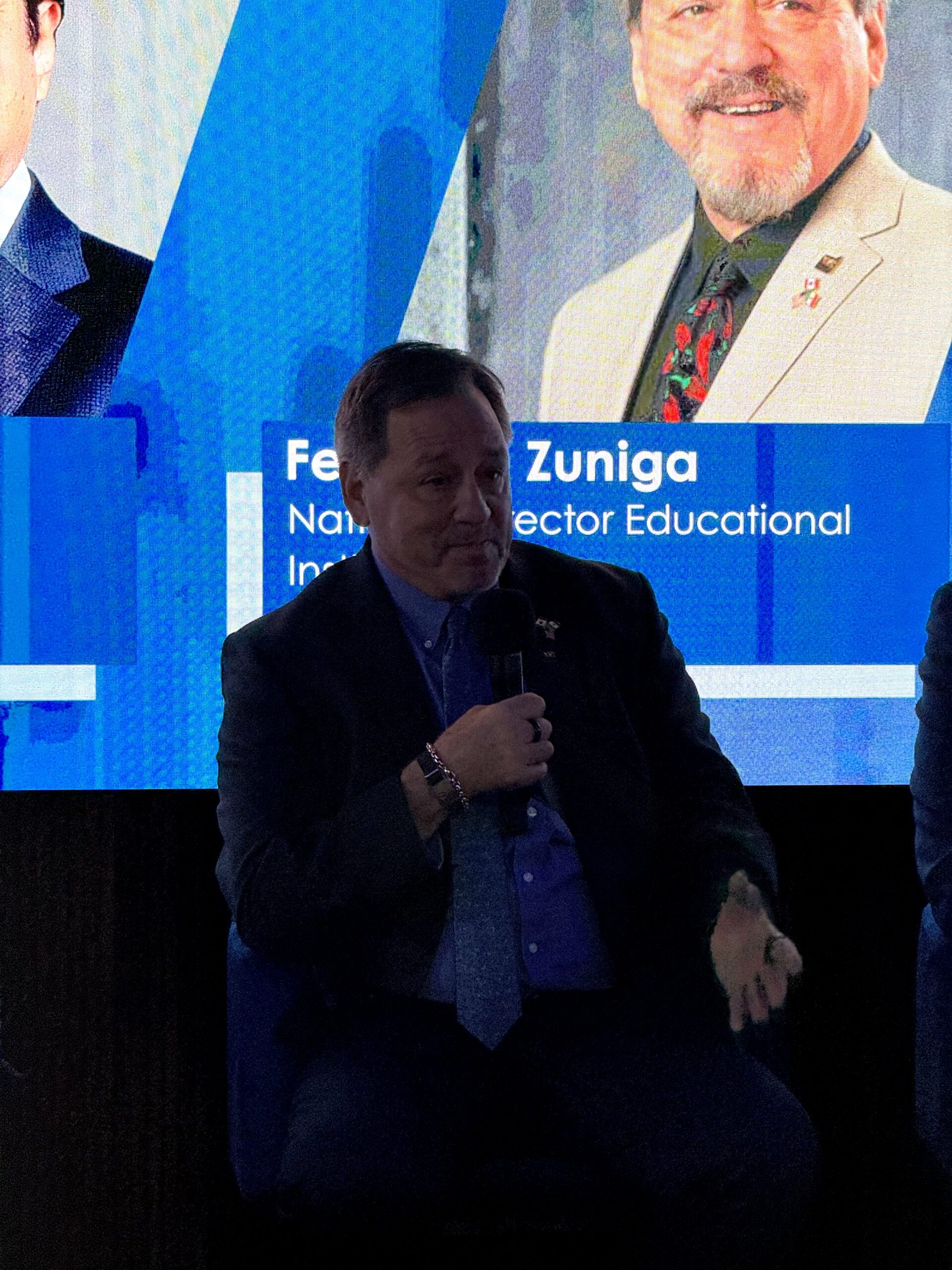
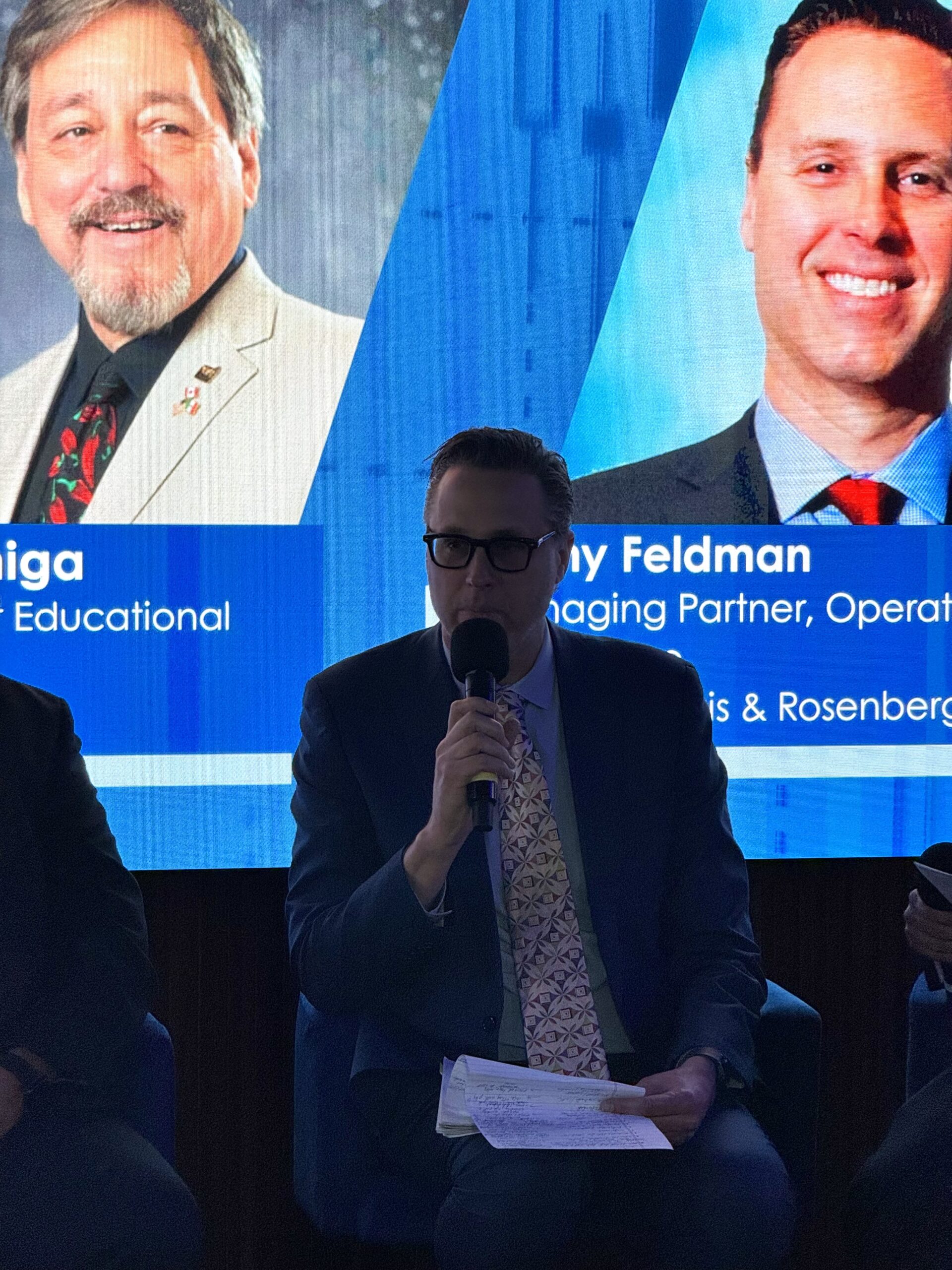
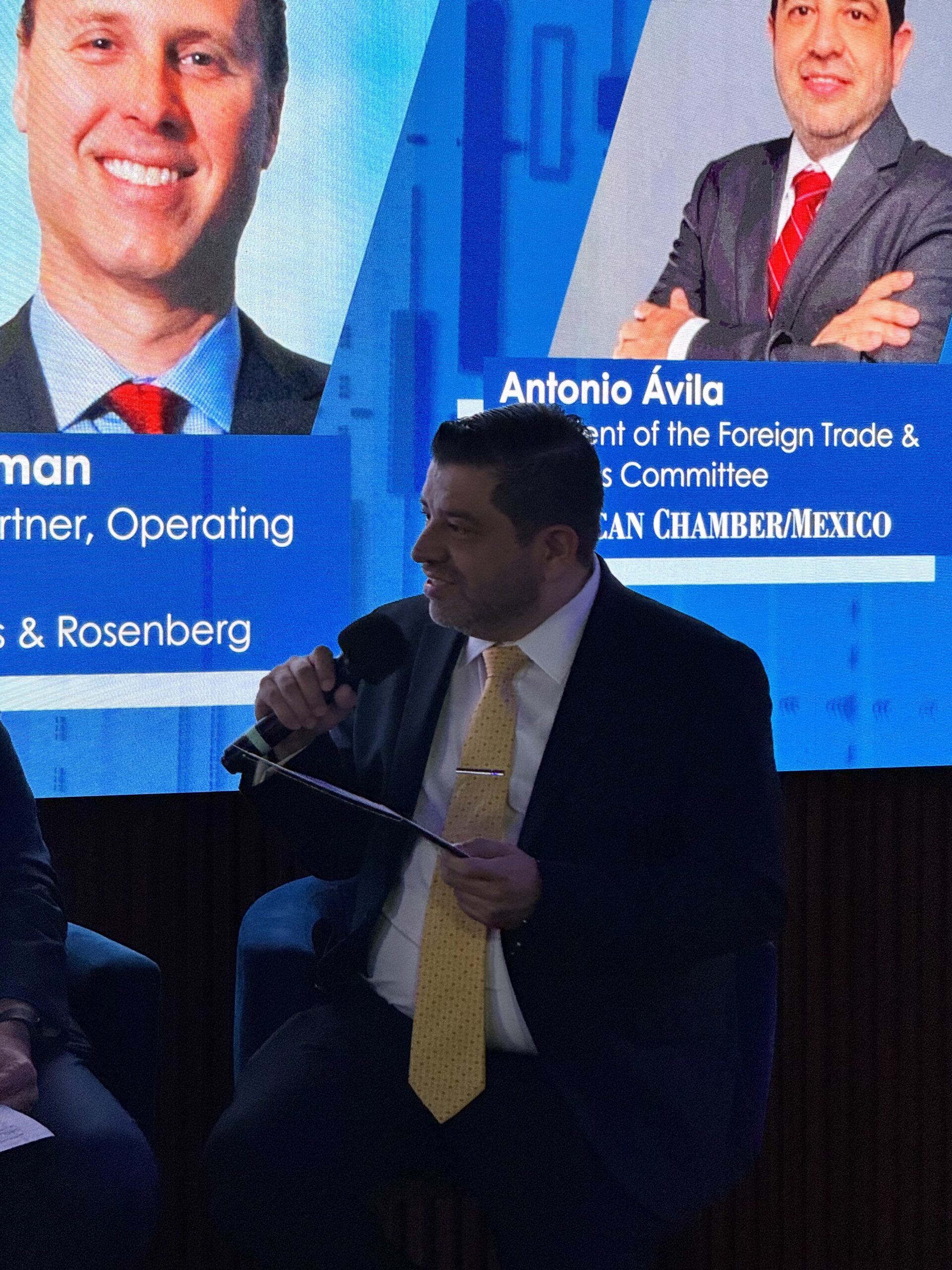
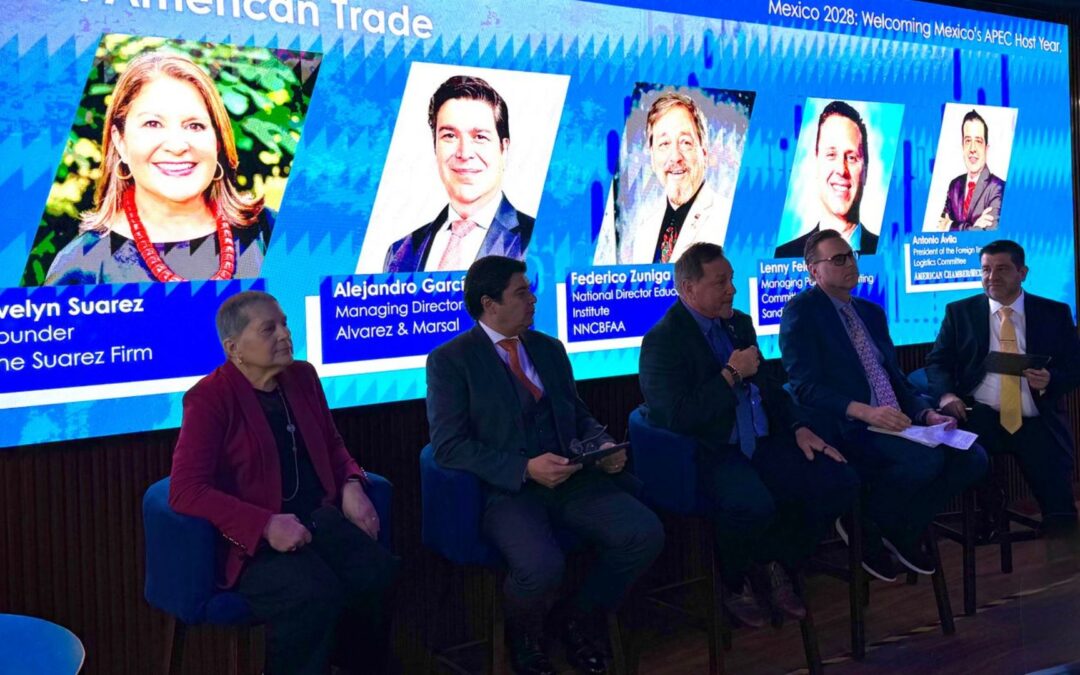
En el marco del evento “México 2028: Welcoming Mexico’s APEC Host Year”, AMERICAN CHAMBER OF COMMERCE OF MEXICO llevó a cabo el Panel 2, enfocado en analizar los principales retos y oportunidades del comercio en Norteamérica.
Panel 2 | Comercio de norteamerica: certidumbre, cumplimiento y coordinación regional
El panel fue moderado por Antonio Ávila, Presidente del Comité de Comercio Exterior y Logística del Capítulo Guadalajara de AMCHAM, y contó con la participación de Evelyn Suarez, Socia Fundadora, The Suarez Firm; Alejandro García, Director General, Alvarez & Marsal; Federico Zúñiga, Director Nacional del Instituto Educacional del National, Customs Brokers & Forwarders Association of America (NCBFAA); y Lenny Feldman, Socio Director del Comité Operativo, Sandler, Travis & Rosenberg.
Durante la conversación, los panelistas coincidieron en que el comercio regional enfrenta un periodo de cambios. Se señaló que la coexistencia de distintos esquemas arancelarios, reglas de origen y criterios de valoración ha incrementado de manera significativa las consideraciones legales y operativas para las empresas que participan en el comercio regional.
Cambios regulatorios y operativos en México
Asimismo, se destacó que los recientes ajustes regulatorios en México -fortalecimiento de controles aduaneros, digitalización de procesos y el incremento de multas- hacen necesario que las empresas inviertan en tecnología, revisen procesos internos y refuercen su relación con asesores legales y agentes aduanales.
Cumplimiento, capacitación y mejores prácticas
Los panelistas subrayaron que, frente a un entorno regulatorio en constante evolución, la capacitación continua, el conocimiento integral de la cadena de suministro y la correcta documentación en materia de origen, clasificación y valoración resultan fundamentales. Se coincidió en que las empresas deben fortalecer sus equipos internos de cumplimiento, regresar a las prácticas básicas y establecer procesos sólidos, al tiempo que mantienen un diálogo técnico permanente con las autoridades en los distintos países de la región.
La importancia de la coordinación regional
El panel concluyó con un llamado a reforzar la coordinación entre el sector privado y las autoridades de los tres países de Norteamérica, así como a mantener una visión regional que permita preservar la competitividad del bloque frente a otros actores económicos. Los participantes coincidieron en que el contexto actual exige mayor comunicación, alineación técnica y cooperación para enfrentar de manera efectiva los desafíos del comercio norteamericano.
AMERICAN CHAMBER/MEXICO
Ciudad de México | 14 | enero | 2026
by Gerardo Arana | Ene 20, 2026 | Ciudad de México, Comercio Exterior y Logística
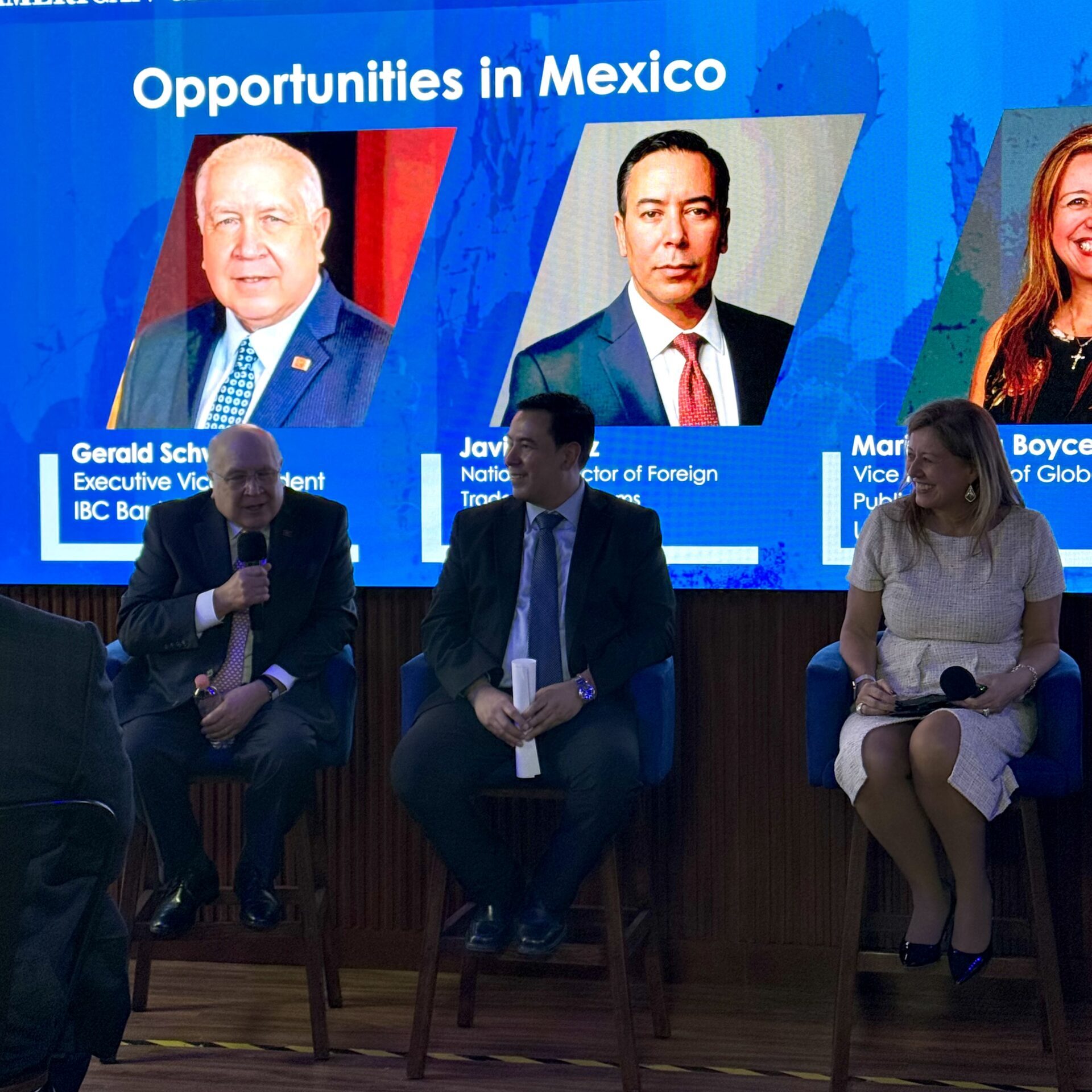
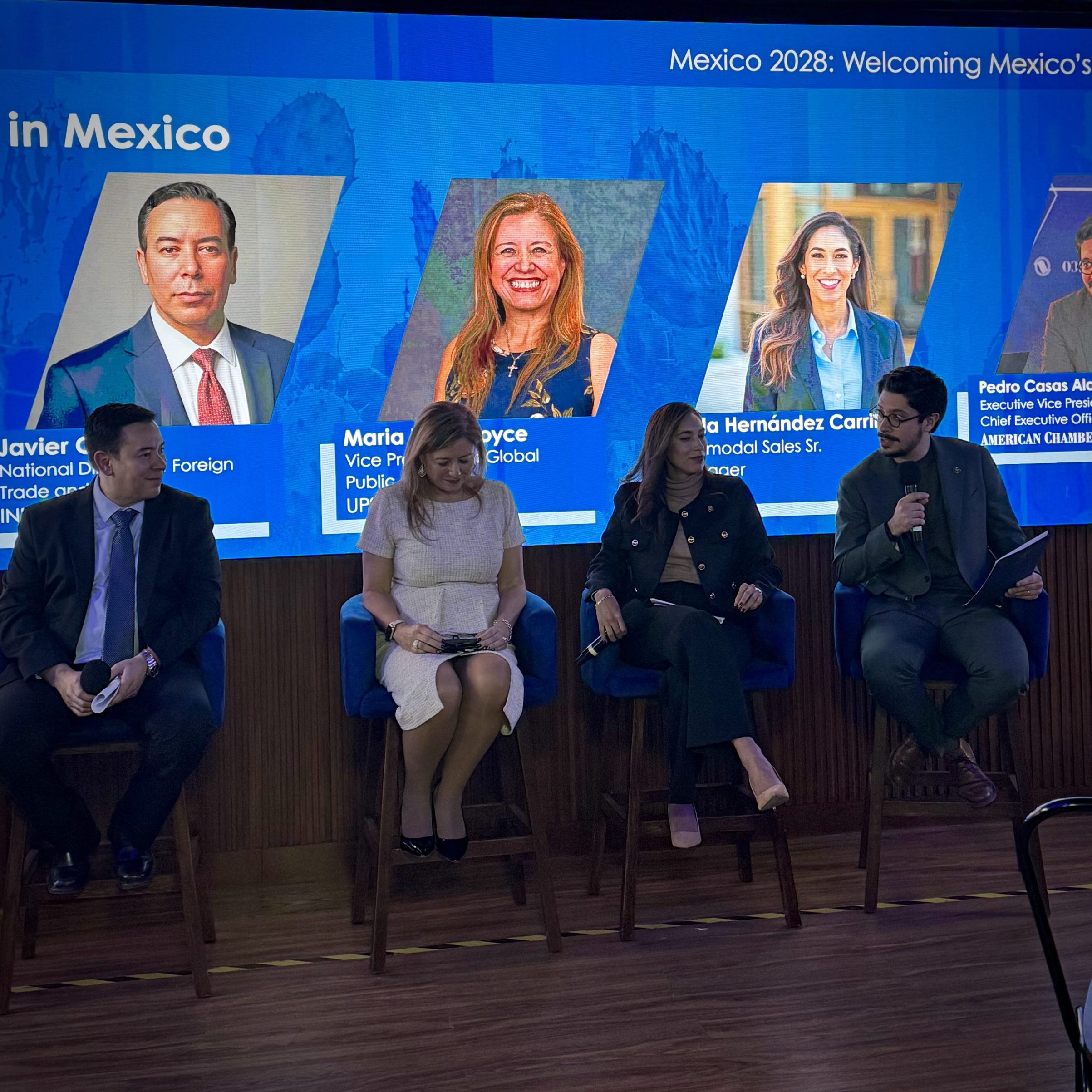
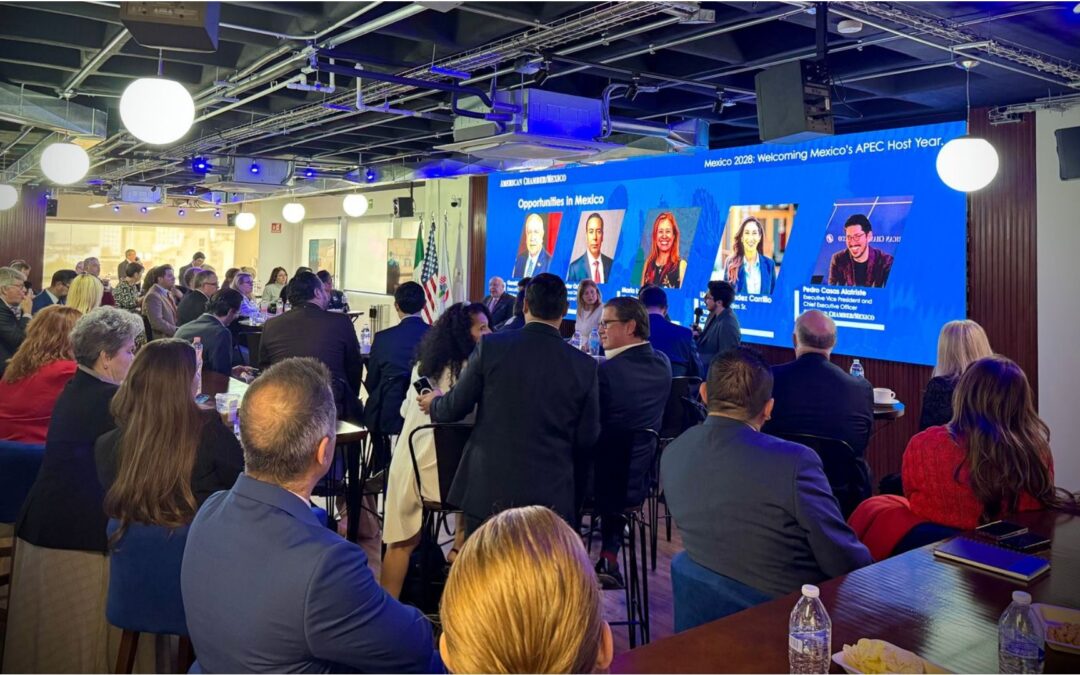
Ciudad de México, 14 de enero de 2026. – El Comité de Comercio Exterior y Logística celebró el evento “Mexico 2028: Welcoming Mexico’s APEC Host Year”, como un espacio de diálogo para analizar el posicionamiento de México ante su papel como país anfitrión de la Cumbre de APEC en 2028. La sesión reunió a líderes del sector privado, autoridades y expertos en comercio internacional, logística y política comercial para reflexionar sobre los retos y oportunidades de la región en un entorno global de reconfiguración de cadenas de suministro.
Panel 1 | Opportunities in Mexico: Infraestructura, Integración y Modernización
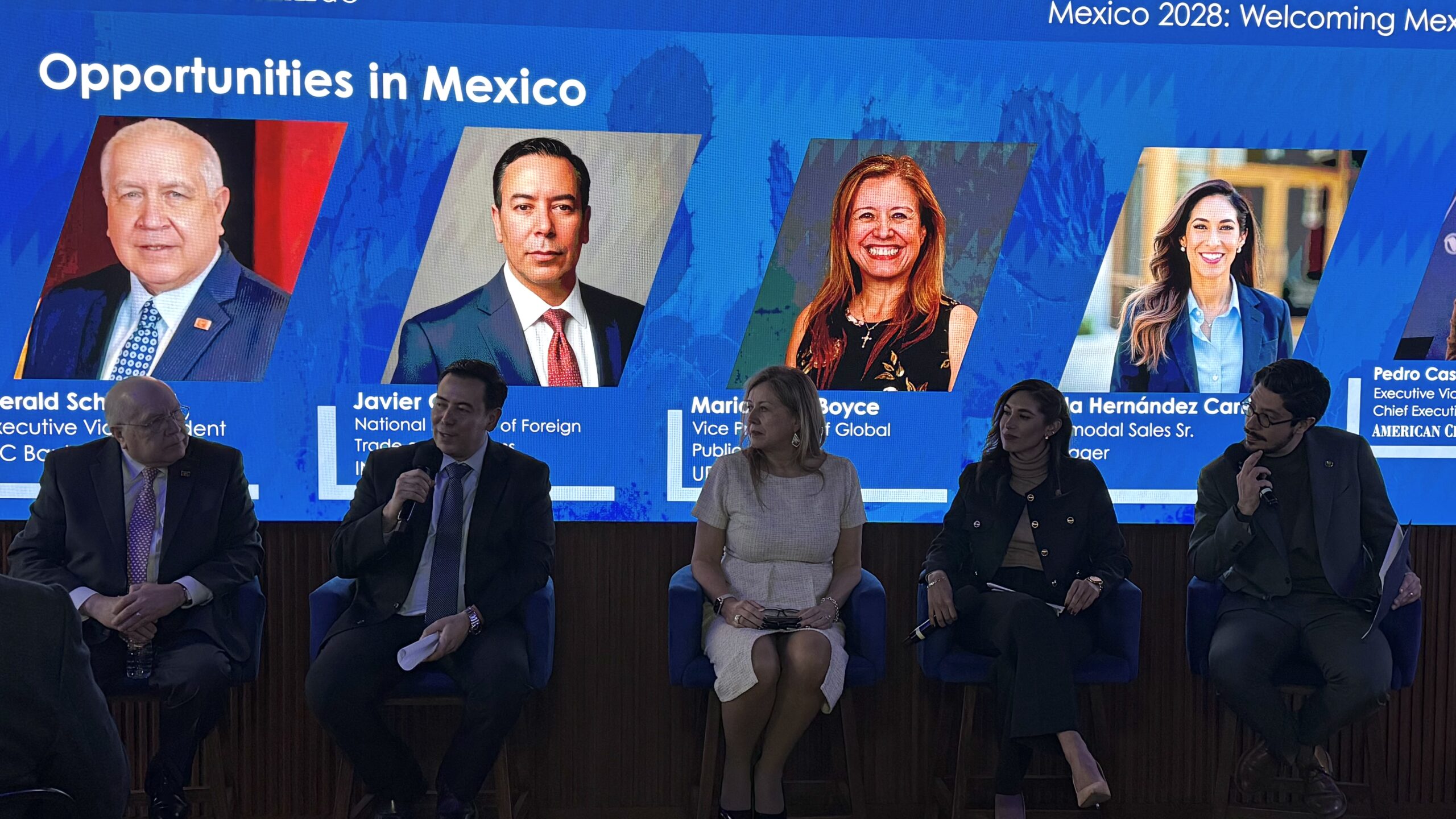
El primer panel fue moderado por Pedro Casas Alatriste, Vicepresidente Ejecutivo y Director General de AMCHAM, y contó con la participación de Gerald Schwebel, Vicepresidente Ejecutivo de IBC Bank; Javier Ortiz, Director Nacional de Comercio Exterior y Aduanas de INDEX Nacional; María Luisa Boyce, Vicepresidenta Global de Asuntos Públicos de UPS; y Linda Hernández Carrillo, Gerente Sr. de Ventas Intermodales de CPKC. La conversación se centró en el análisis de las oportunidades y desafíos de México como plataforma estratégica de manufactura, logística e integración productiva en Norteamérica, con énfasis en infraestructura, modernización aduanera y digitalización, en el marco del T-MEC.
Durante el panel, los participantes coincidieron en que México atraviesa un momento decisivo para consolidarse como un nodo central de las cadenas de valor de Norteamérica. Se destacó que la cercanía geográfica con Estados Unidos constituye una ventaja competitiva estructural, al permitir mayor eficiencia logística y proximidad con los mercados de consumo, siempre que se acompañe de marcos regulatorios modernos, procesos ágiles y un uso intensivo de tecnología.
Asimismo, se subrayó el potencial del país para fortalecer su base industrial y manufacturera no sólo con orientación al mercado estadounidense, sino también como plataforma exportadora hacia Europa y Asia, en un contexto de relocalización productiva y mitigación de riesgos geopolíticos.
Infraestructura logística y ferroviaria: inversiones para la competitividad regional
En materia de infraestructura, se abordó el papel estratégico de la conectividad logística y ferroviaria para el comercio regional. Se destacaron inversiones recientes que han permitido reducir tiempos de traslado a menos de cuatro días en recorridos superiores a 3,000 kilómetros, así como la incorporación de contenedores especializados para el transporte de productos refrigerados.
De igual forma, se mencionó la inversión privada en el segundo puente ferroviario en Nuevo Laredo, orientada a duplicar la capacidad de cruce fronterizo, reducir cuellos de botella y fortalecer la confiabilidad de las cadenas logísticas, contribuyendo a la competitividad de México como hub logístico en Norteamérica.
IMMEX 4.0 y modernización aduanera
El panel analizó la evolución del programa IMMEX hacia un esquema conocido como IMMEX 4.0, diseñado para responder a un entorno comercial cada vez más complejo y digitalizado. Esta transformación contempla mayores niveles de trazabilidad, el uso de inteligencia artificial, la automatización de procesos y una segmentación más clara por sectores industriales, con el objetivo de fortalecer el cumplimiento, la transparencia y la eficiencia operativa.
Digitalización, inteligencia artificial y construcción de confianza
Los panelistas coincidieron en que la digitalización y la inteligencia artificial se han convertido en elementos centrales para la competitividad empresarial, particularmente para las pequeñas y medianas empresas. En este contexto, se subrayó la importancia de fortalecer la confianza entre autoridades y sector privado, así como de promover un diálogo técnico permanente que permita alinear regulación, tecnología e inversión.
Colaboración público-privada como eje de largo plazo
El panel concluyó con un llamado a profundizar la colaboración entre empresas y gobiernos para modernizar procesos, impulsar inversiones en infraestructura y consolidar la integración económica de Norteamérica. Se destacó que México cuenta con una oportunidad relevante para posicionarse como un socio estratégico, siempre que exista coordinación, visión de largo plazo y voluntad de transformación.
AMERICAN CHAMBER/MEXICO
Ciudad de México | 14 | enero | 2026